
ARCTIC CIRCLEEUROPE
ASIA
Scouting the Unknown
[Field Exploration]AMERICAAFRICA
OCEANIA
Scouting Journeys begin with a simple question: what’s out there, and what would it take to return properly?
These expeditions are built around curiosity. They’re smaller, more flexible trips into places that haven’t fully taken shape yet. Sometimes they begin with a recommendation, sometimes with seasonal wildlife movement, and sometimes simply with a landscape that keeps calling. There’s no polished itinerary, just a shared intention to spend real time outdoors.
They are also based on teamwork, with logistics, planning, and field time managed collaboratively. Expenses are shared evenly among expeditioners, usually aiming for a 50/50 split when possible. The aim is to make exploration accessible while maintaining an intentional, small-scale experience focused on what truly matters: time in nature.
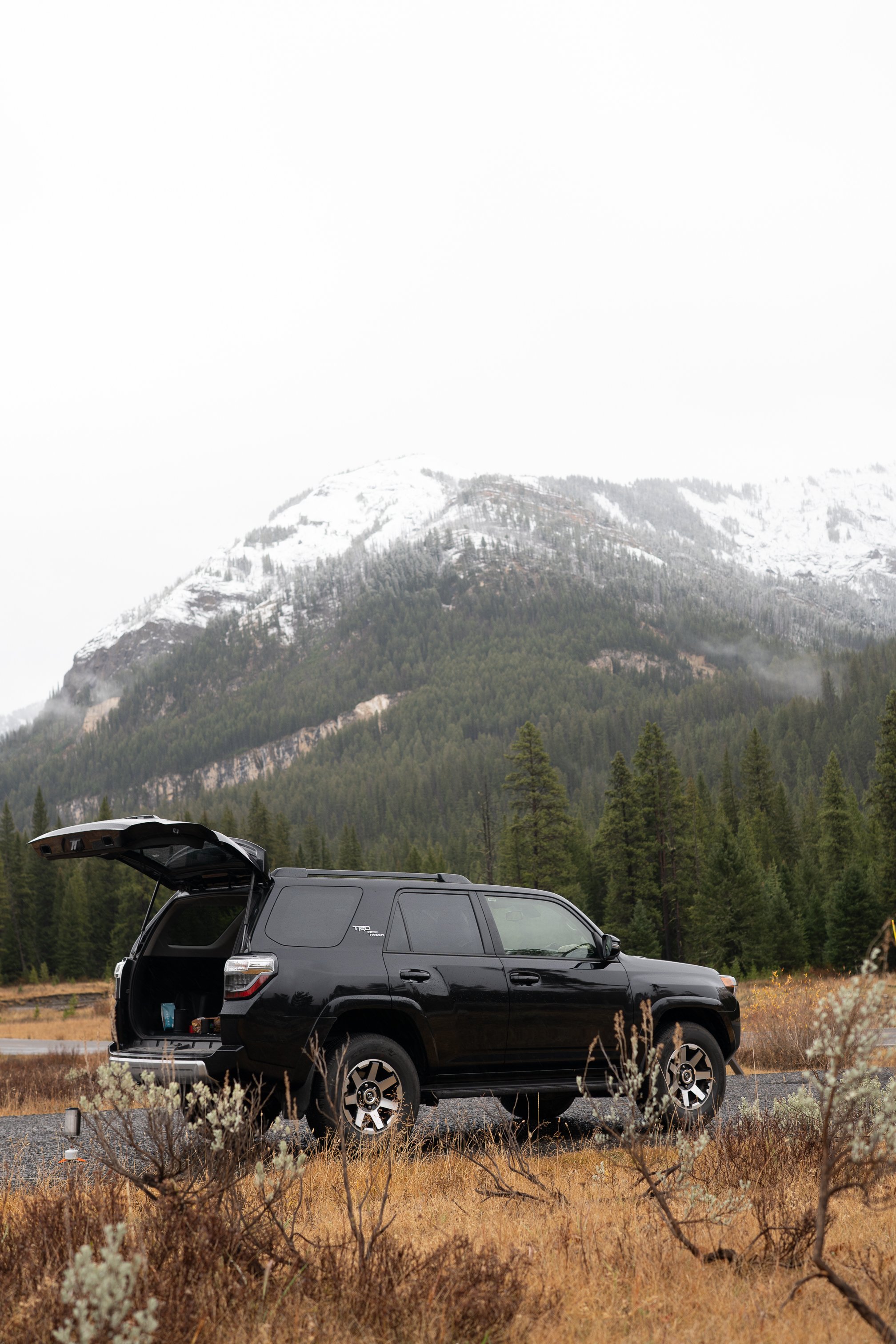
[THE APPROACH]Scouting Journeys are intentional groundwork. They create the space to truly understand a place, how wildlife moves through it, how weather shapes it, and what it takes to operate there responsibly.
Local knowledge is essential. Time is spent working alongside trackers and guides, listening more than speaking, and learning the details that can’t be found on a map. These relationships matter as much as the sightings.
What begins as exploration becomes preparation. The clarity gained in these early visits allows us to return later with structure, confidence, and a deeper understanding of how to share the experience properly.
What is this exactly?
-
Scouting Journeys aren’t set on a fixed schedule. They take shape as interest builds and the right timing comes together. If one of these trips speaks to you, the best step is simply to reach out. From there, we can start the conversation and see what might be possible.
-
Scouting Journeys are more open by nature. They’re designed to explore new places, learn the landscape, and follow wildlife opportunities as they unfold. The focus is discovery, flexibility, and time in the field.
-
They are simpler, but still intentional. Days are built around observation, local knowledge, and ethical wildlife practices. Plans adapt to weather, movement, and what the land offers, but the approach remains grounded.
-
Yes. Photography is always part of the experience. There is time for field support, shared learning, and image review, but the atmosphere stays relaxed and collaborative.
-
Whenever possible, yes. Local knowledge is essential to understanding a place properly. These journeys are shaped in partnership with the people who know the land best.
-
Yes. Because expenses such as transportation, accommodation, and local support are shared among the group, Scouting Journeys are typically more affordable than our fully structured expeditions. The budget is discussed openly from the beginning, and each trip is shaped around what feels realistic for everyone involved, without compromising safety or the overall experience.
On the Horizon
*
Tracks We’re Following
*
On the Horizon * Tracks We’re Following *
[Polar Bear]Ursus Maritimus
Churchill[58.7679° N, 94.1696° W]Svalbard[77.8750° N, 20.9752° E]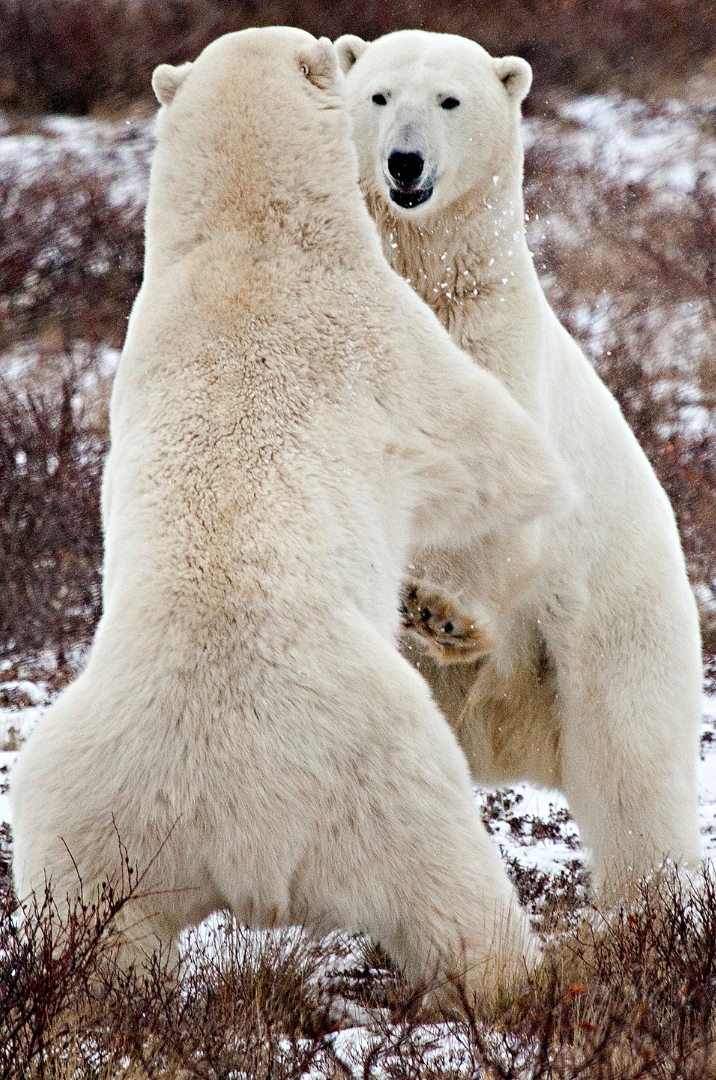
Hudson Bay
[CANADA]
Polar Bears
Terrain
Best Time to Go
September - November
Other Wildlife
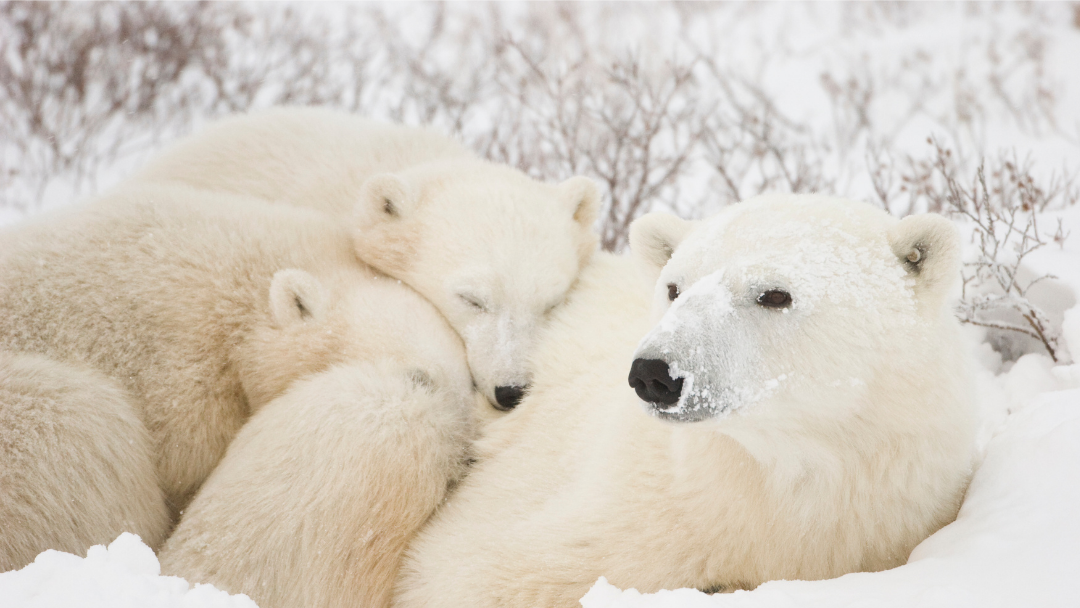
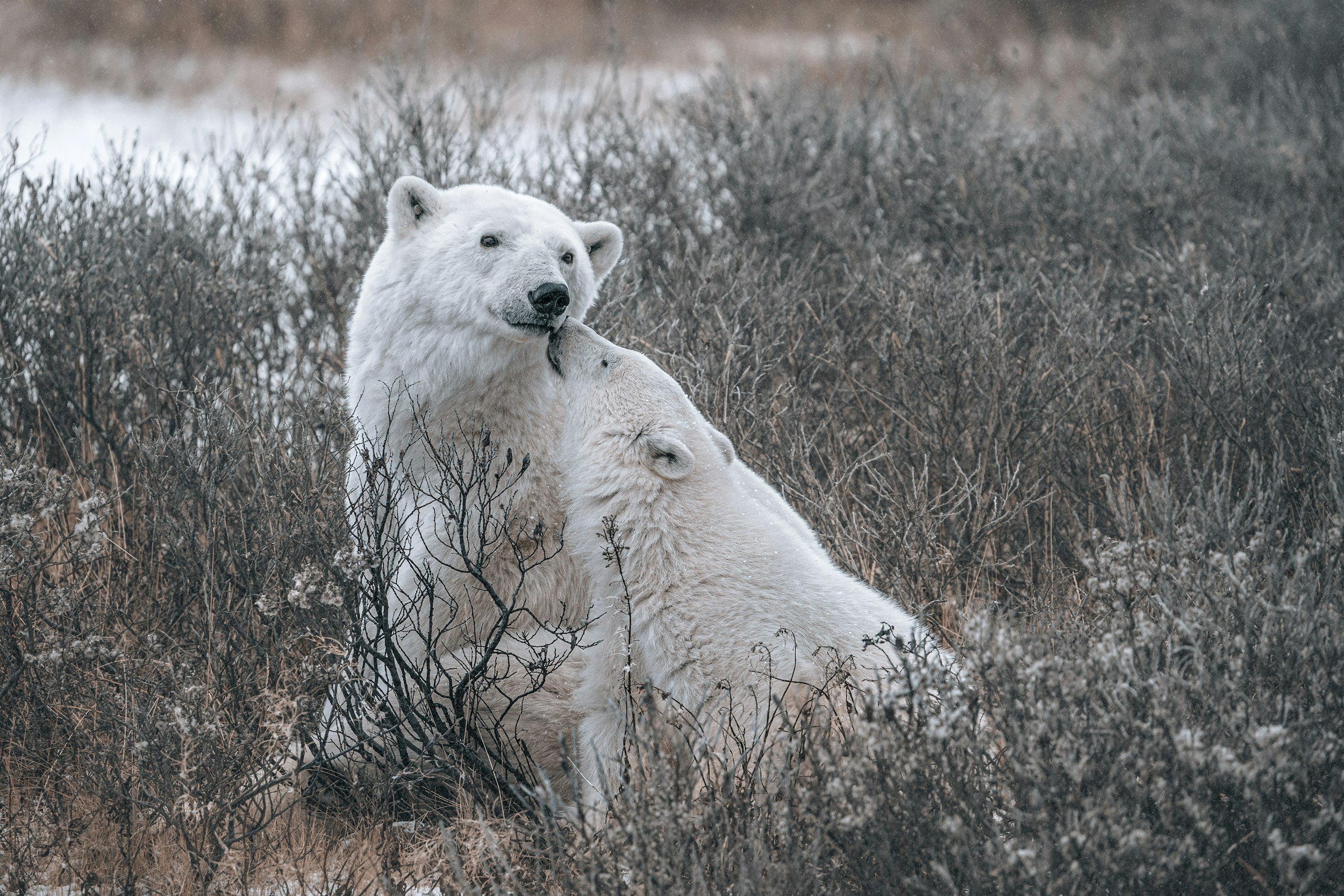
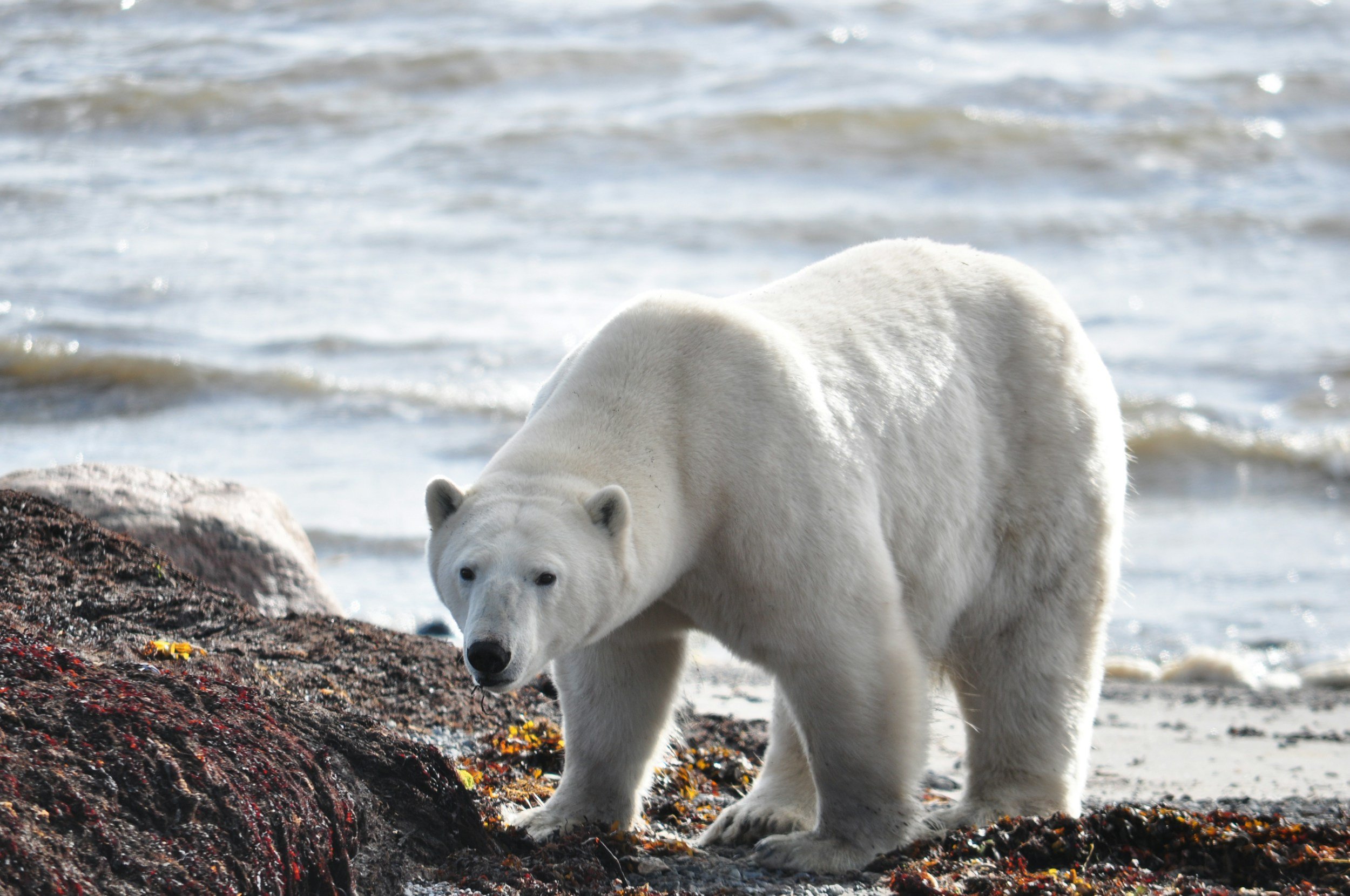
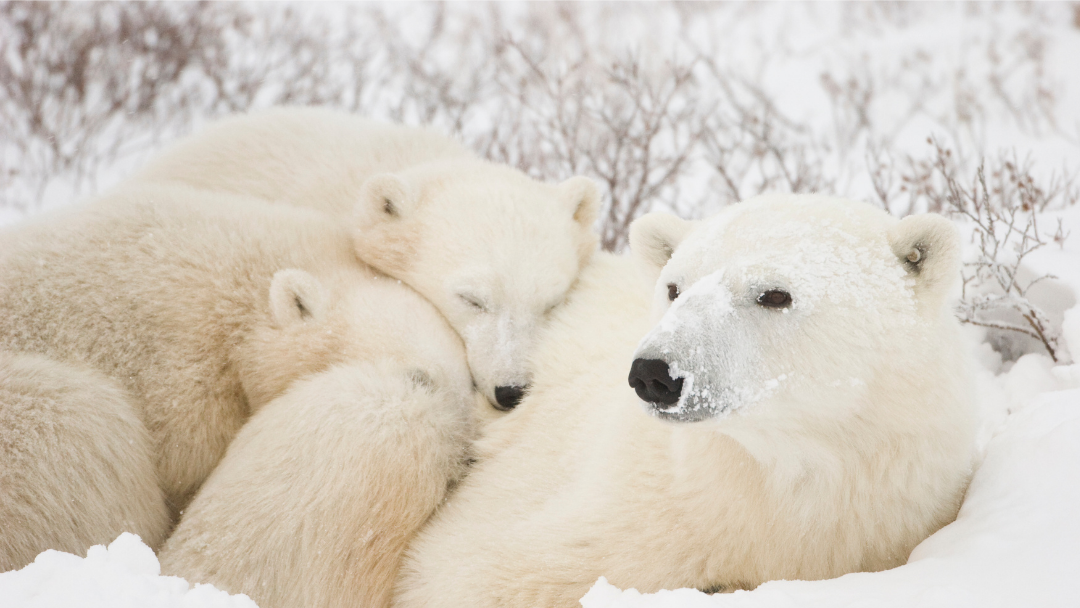
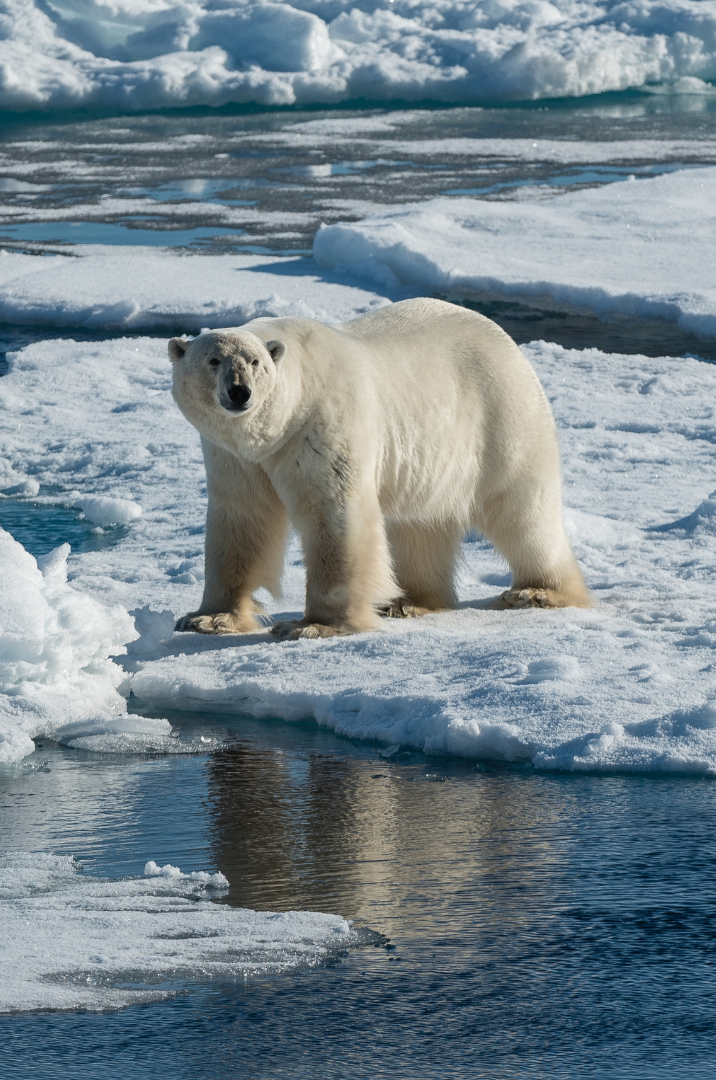
In October and November along Hudson Bay, polar bears gather near the shoreline as they wait for the sea ice to form. They conserve energy but stay active, walking the coast, resting on tundra ridges, and testing the edges of forming ice. It’s a transitional period before they return to hunt seals. Movement feels steady, long walks across open ground, brief sparring between younger bears, mothers keeping cubs close. The tundra is sparse and exposed, allowing for clear observation from a respectful distance.
Svalbard
Other Wildlife
[NORWAY]
Polar Bears
May - October
Best Time to Go
From May to October in Svalbard, polar bears move along the archipelago’s fjords and shifting sea ice. As spring turns to summer, they travel between islands, rest near glacier fronts, and patrol the shoreline in search of seals. Some remain on stable ice; others spend time on land when ice retreats. Activity depends on conditions, but long daylight hours allow extended observation. Encounters often happen against a backdrop of glaciers, open water, and wide Arctic sky.
Coastal tundra • Open Arctic • Frozen shoreline
Arctic fox
Red fox
Snowy owl
Willow ptarmigan
Arctic hare
Occasional sightings of:
Caribou
Cloud Wolves
Terrain
Arctic archipelago • Rugged fjords • Sea ice
Arctic fox
Walrus
Reindeer
Various seabirds
Seals along ice margins
Occasional sightings of whales offshore
Arctic fox
Reindeer (Greenland subspecies)
Various tundra birds
Rolling tundra plateaus • lichen-covered hills
Arctic hare
Gyrfalcon
Snowy Owl
Other Wildlife
Terrain
[Musk Oxen]Terrain
Ovibos moschatus
Greenland[67.0093° N, 50.7006° W]Other Wildlife
Norway[62.366°N, 9.106°E]Kangerlussuaq
[GREENLAND]
Musk Ox
Best Time to Go
August–September
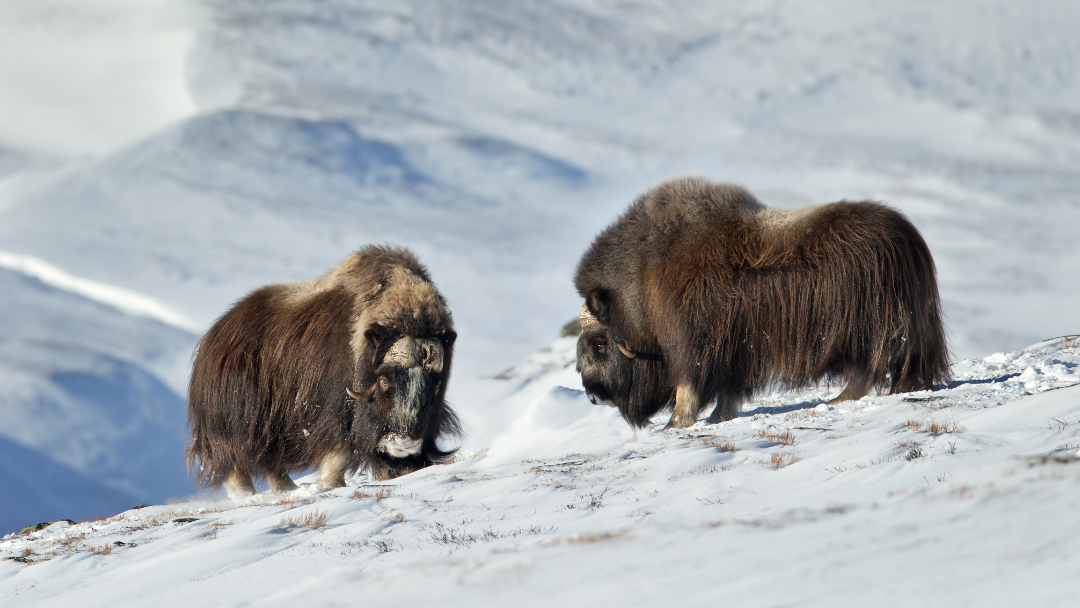
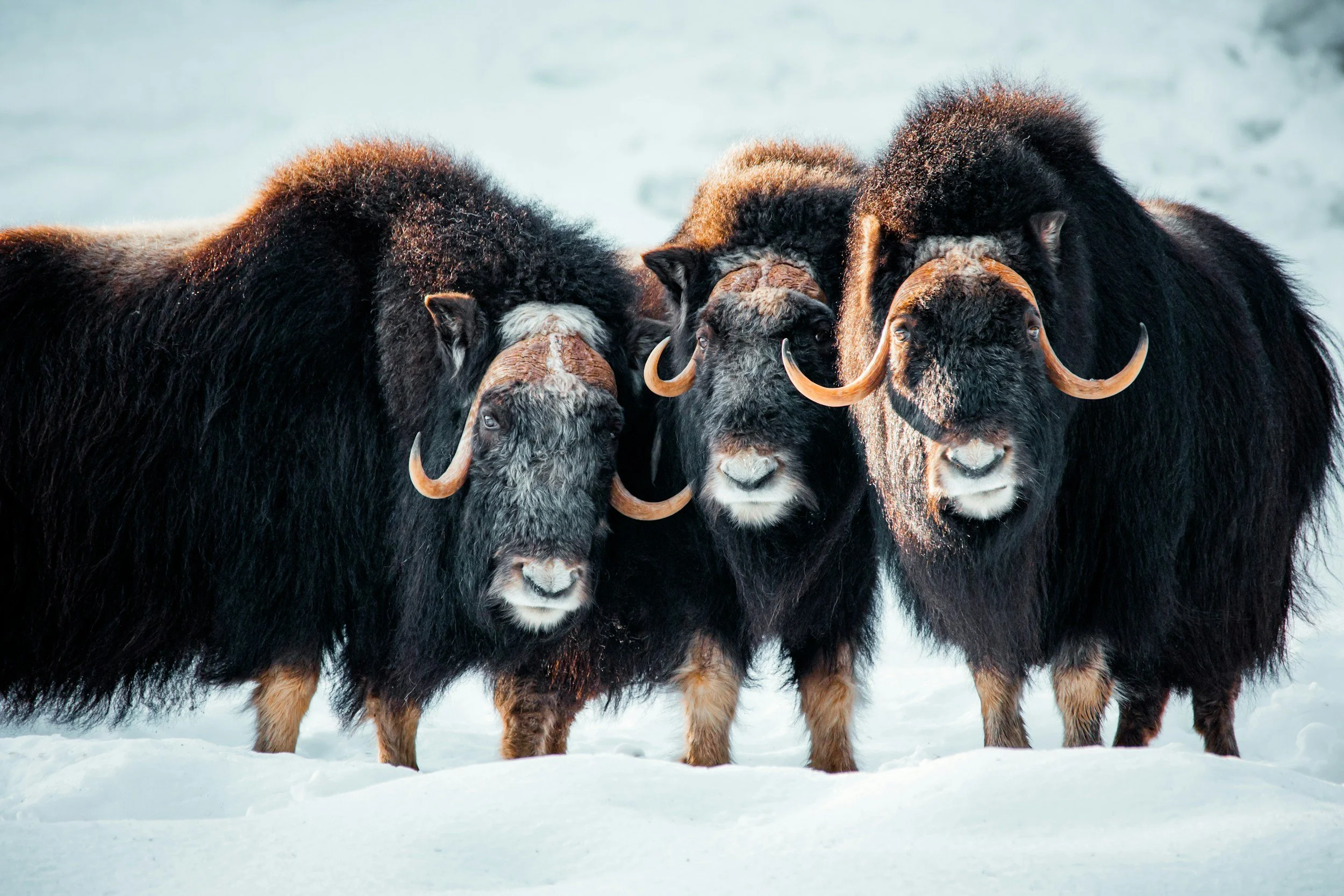
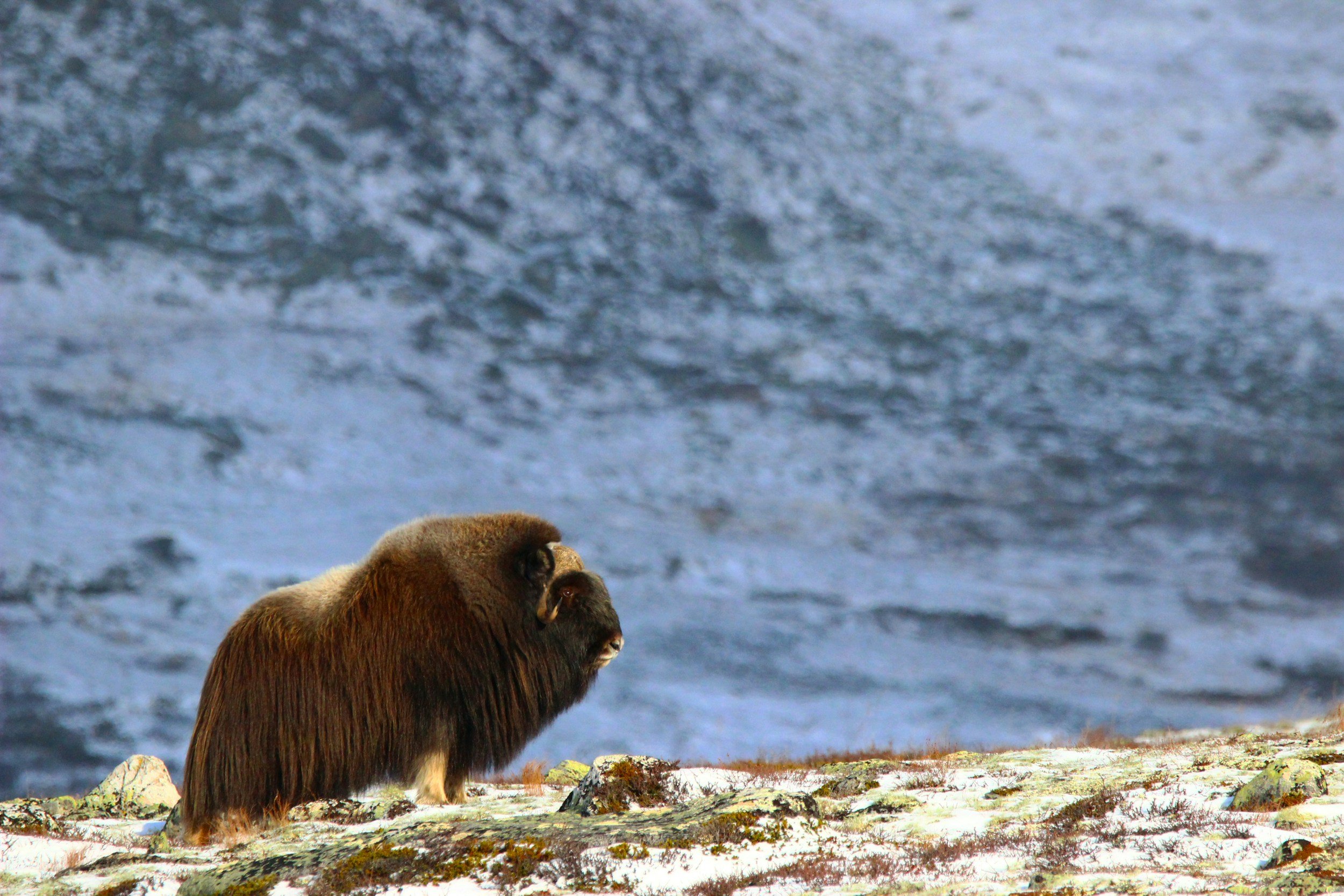
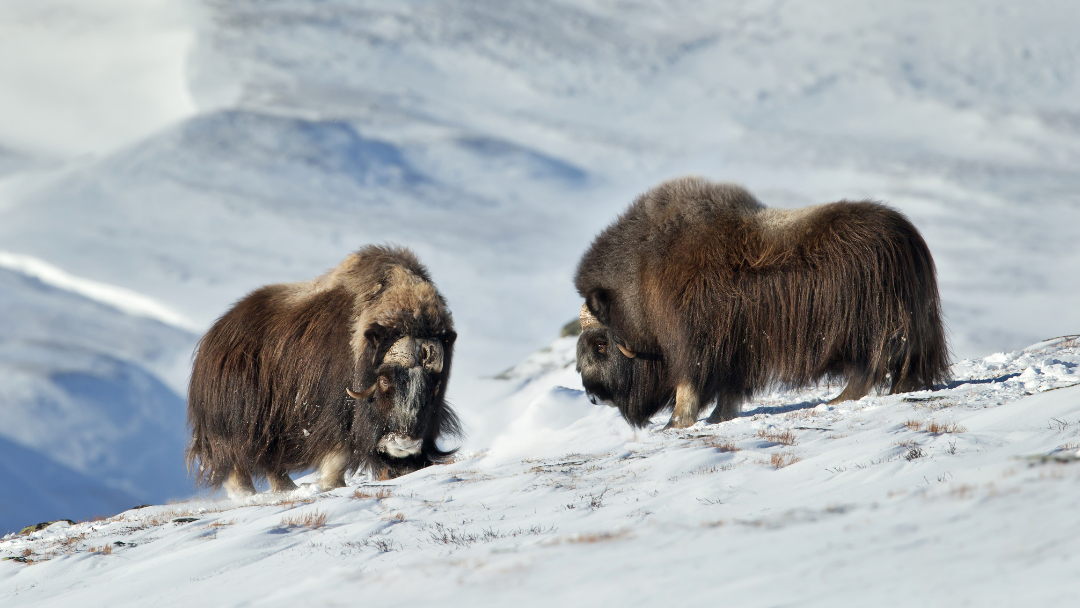
In Greenland’s tundra during summer and early fall, musk oxen gather in small herds on the open ground, grazing on grasses, sedges, willows, and whatever green plants are available after the long winter. In these months the days are long and the vegetation plentiful, so the oxen move slowly across river valleys and low tundra, together in loose groups where bulls, cows, and younger animals mingle. Calves are strong enough to keep up, and occasionally bulls test one another’s strength as the rut approaches.
Arctic fox
Mountain grouse
Reindeer
Ptarmigan
Arctic tundra • Low shrub steppe • Hummocks
Wolverines
Golden Eagle
Gyrfalcon
Dovrefjell
[NORWAY]
Best Time to Go
Musk Ox
June - September
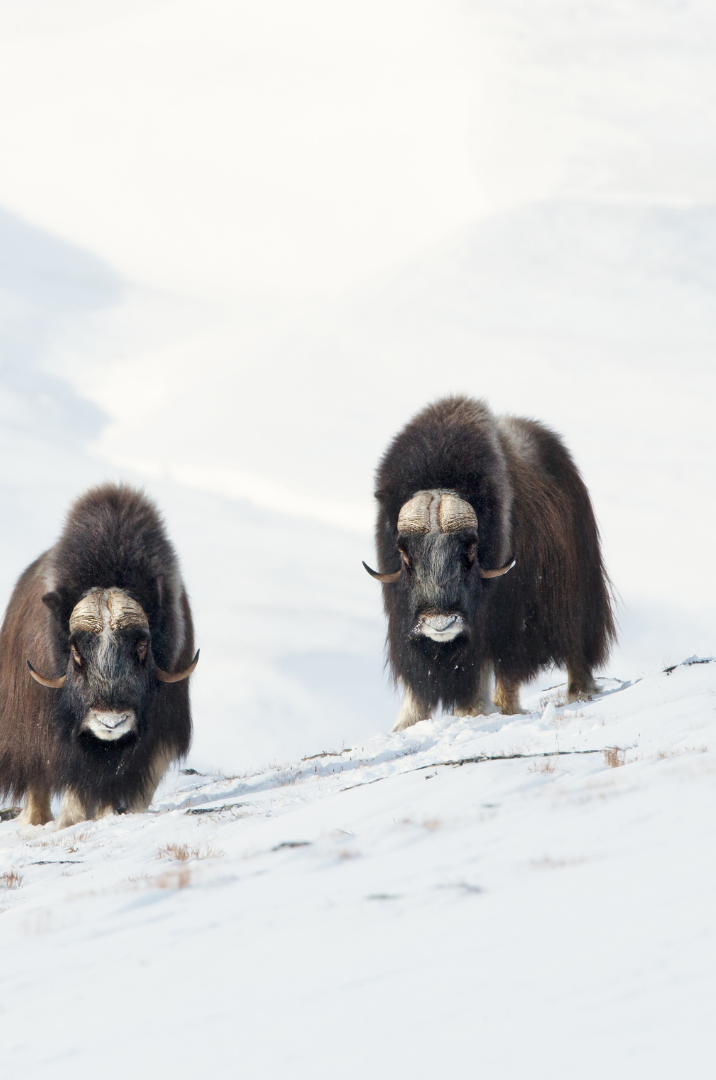
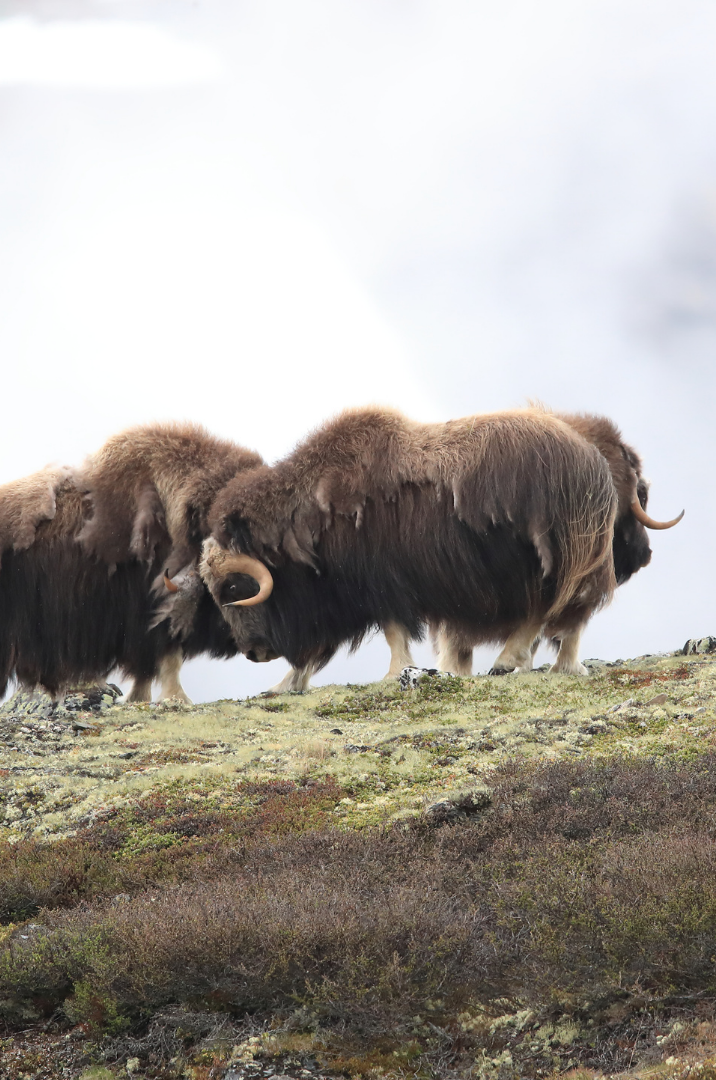
From May to October in Dovrefjell, musk oxen move across open alpine plateaus and rolling tundra, grazing steadily as the short Norwegian summer unfolds. They often remain in small groups, spread out but aware of one another, feeding through the long daylight hours. As autumn approaches, bulls become more assertive and begin testing one another ahead of the rut. The terrain is open and windswept, which allows for clear observation at a distance.
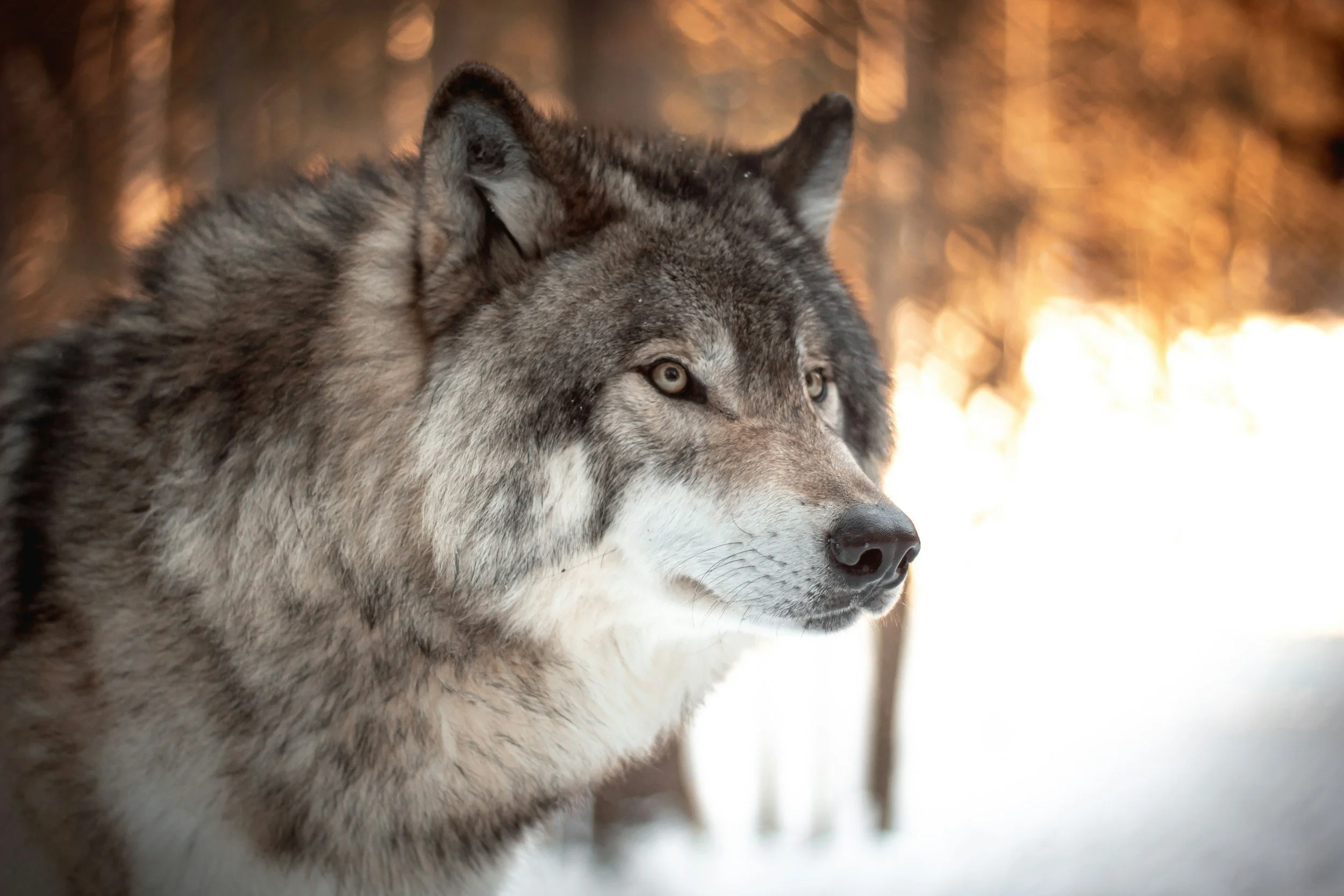
[Gray Wolves]Canis lupus
Yellowstone[44.5979° N, 110.5612° W]Gray Wolves
Yellowstone NP
[USA]
Best Time to Go
Winter
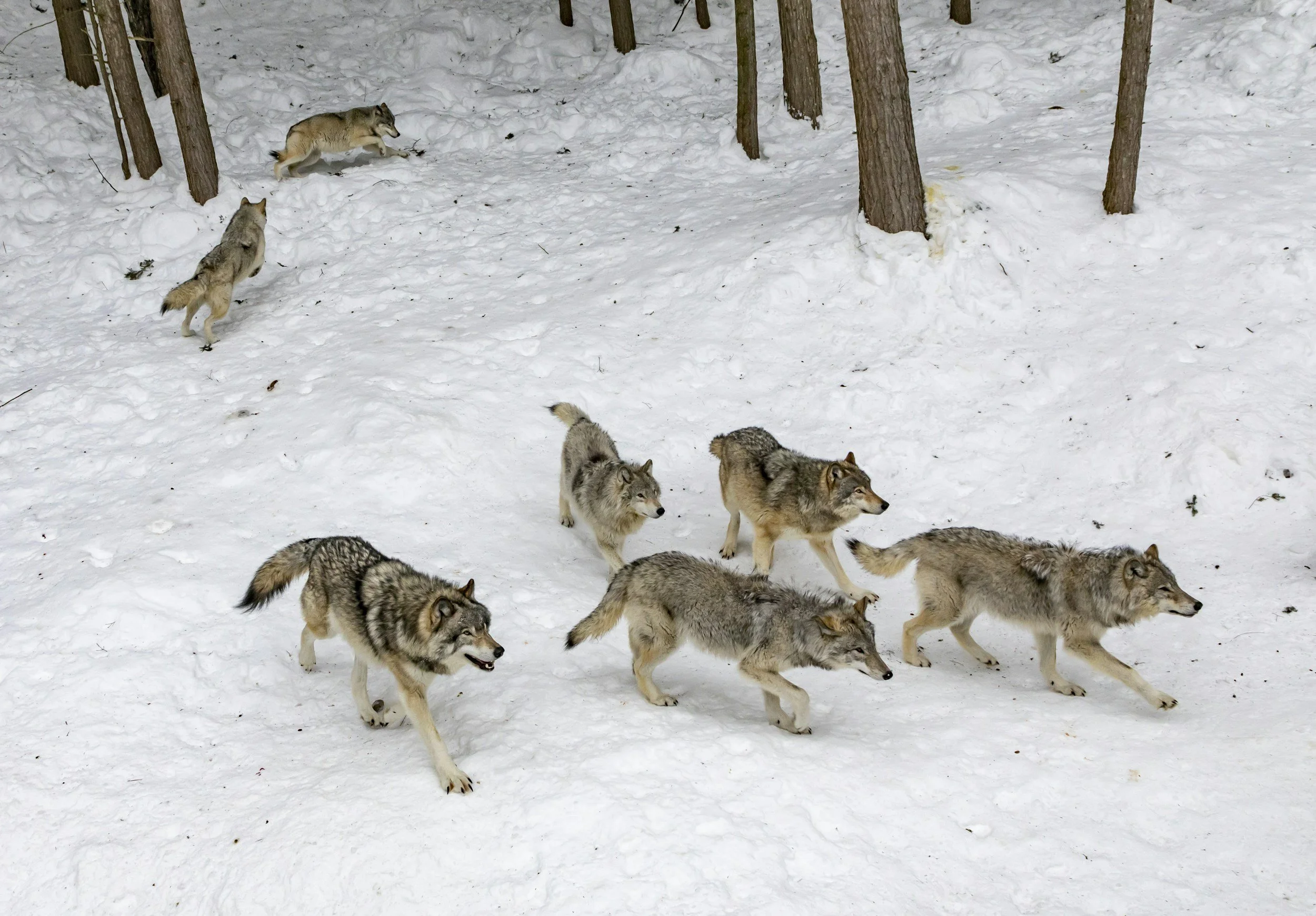
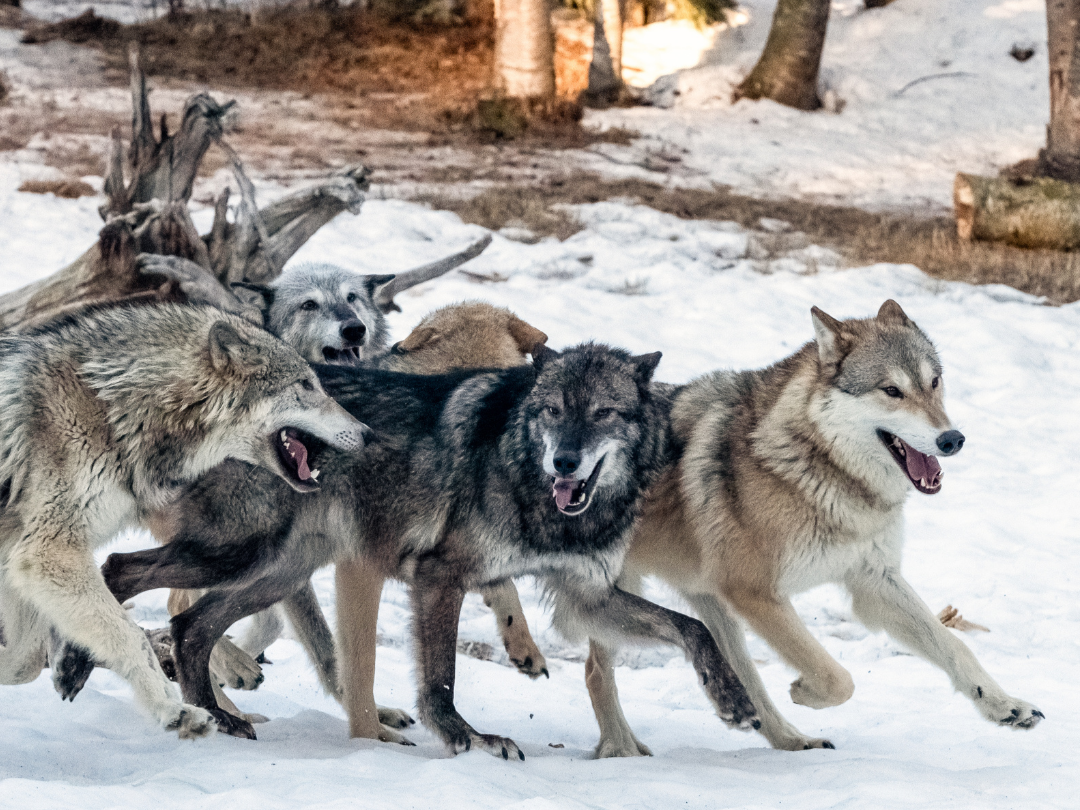
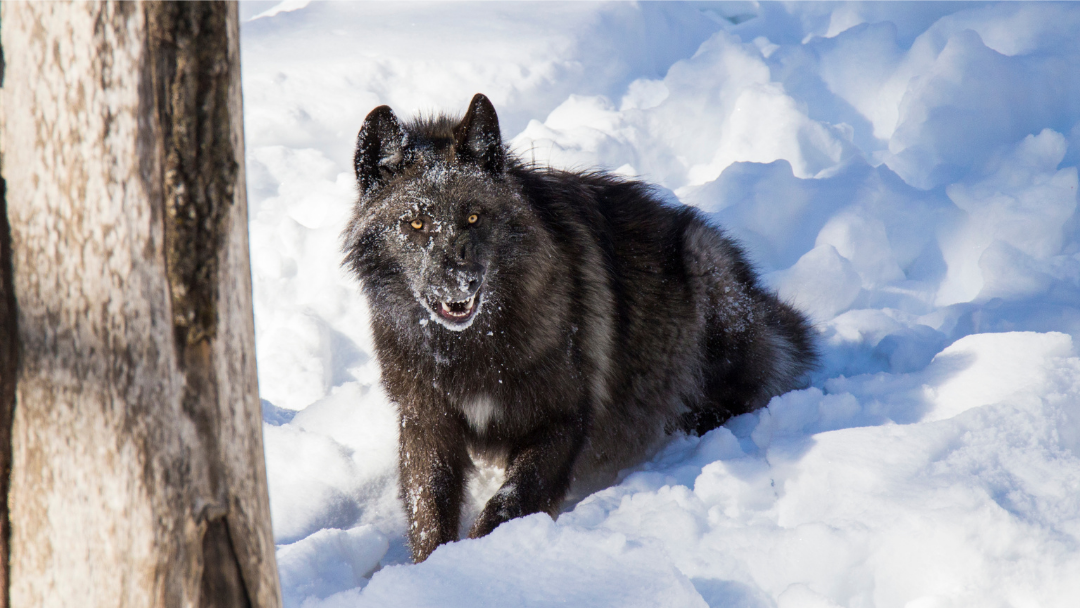
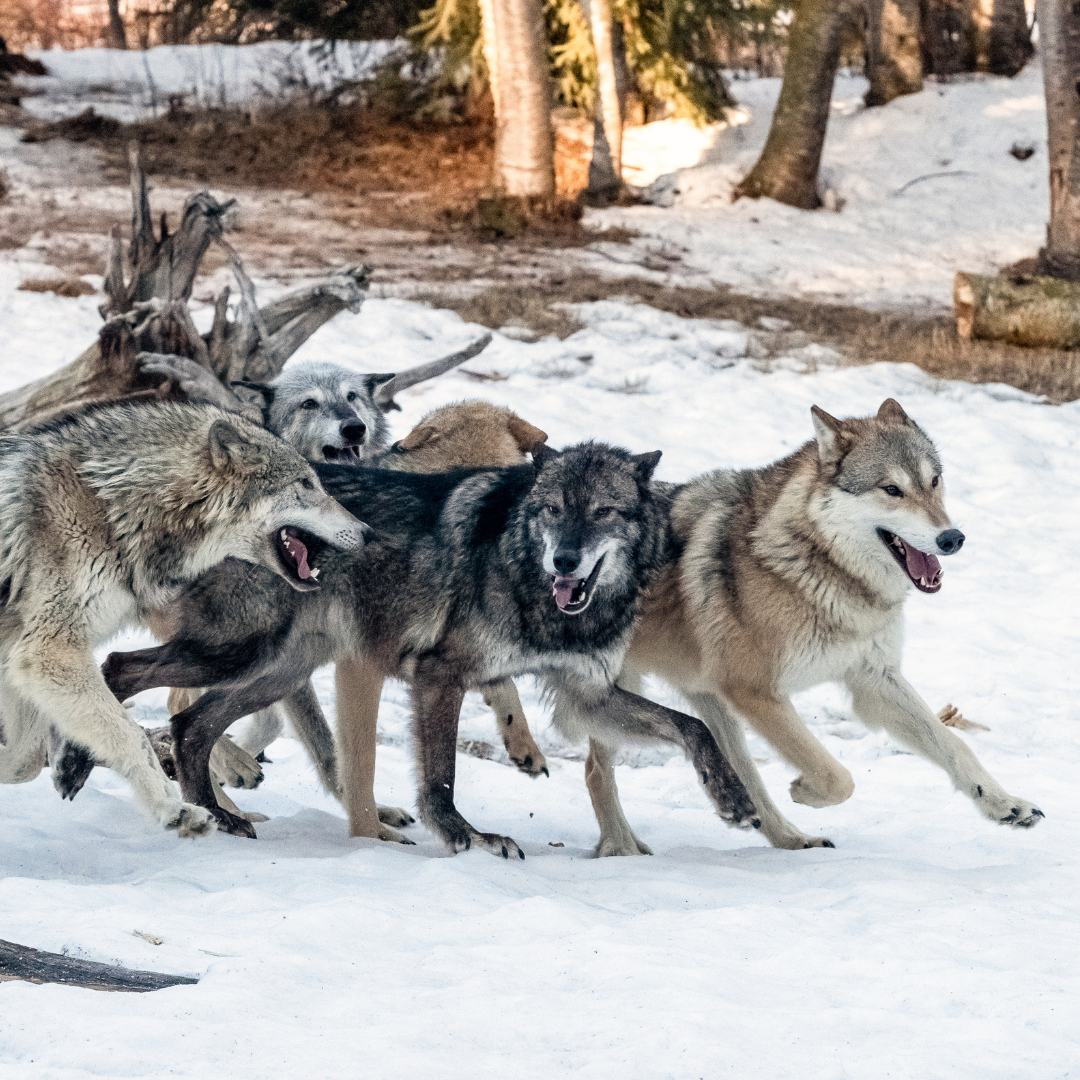
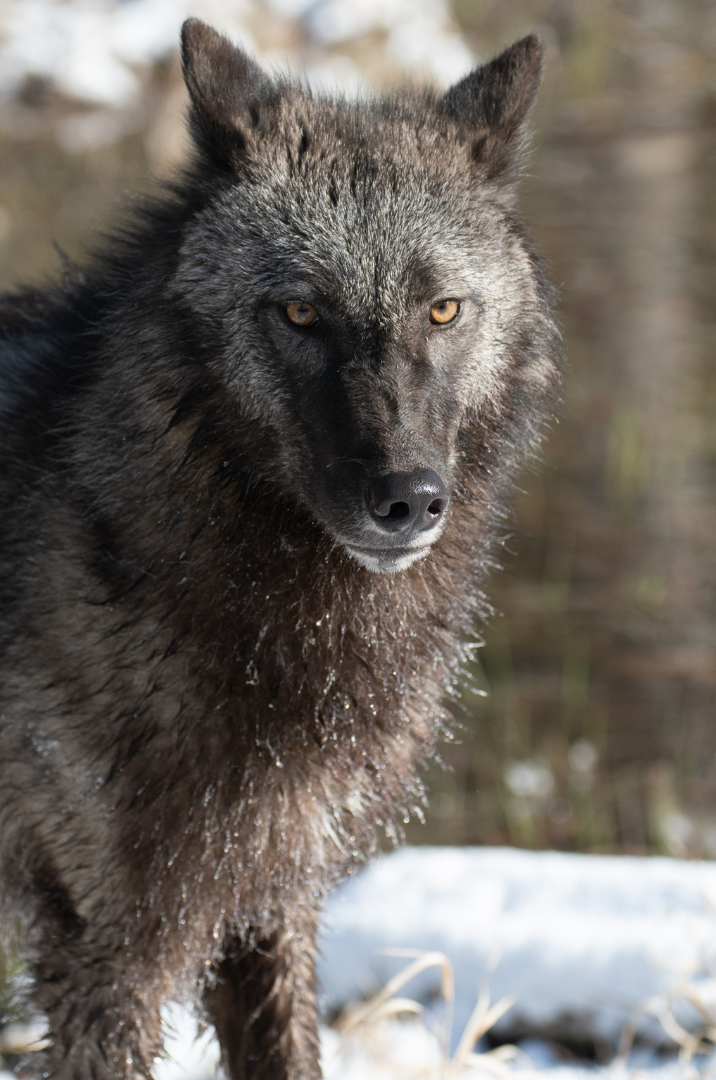
In winter in Yellowstone, wolves travel long distances across open valleys and frozen river corridors, following elk and moving as a coordinated pack. Snow makes their routes easier to trace, and much of the day is spent watching them cross ridgelines, rest in the open, or regroup before continuing on. While elk are their primary prey, some packs also attempt hunts on bison, which require far more coordination and carry greater risk. These encounters are less common and often prolonged, shaped by patience and opportunity rather than speed.
The cold keeps the landscape quiet, and their movement stands out clearly against the snow.
Terrain
Other Wildlife
Wide open sagebrush valleys • Rolling foothills • Snow-covered forests • Frozen river corridors
Bison
Moose
Red Fox
Great Gray Owl
Bald Eagle
Coyote
[Grizzly Bear]Ursus arctos horribilis
Alaska[60.6242° N, 153.3058° W]Grizzly Bear
Alaska
[USA]
Best Time to Go
Summer
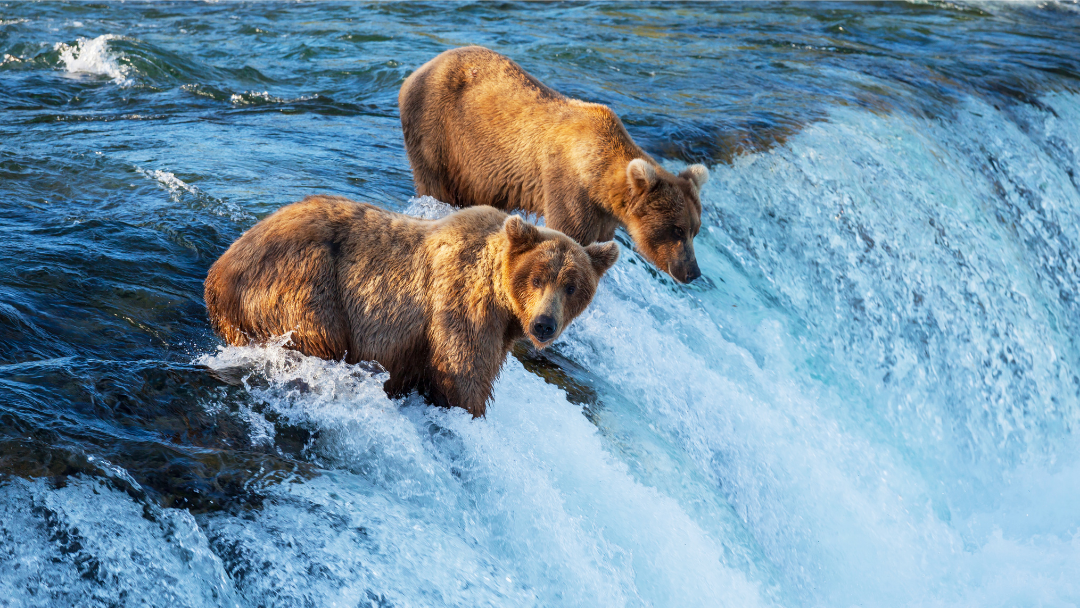
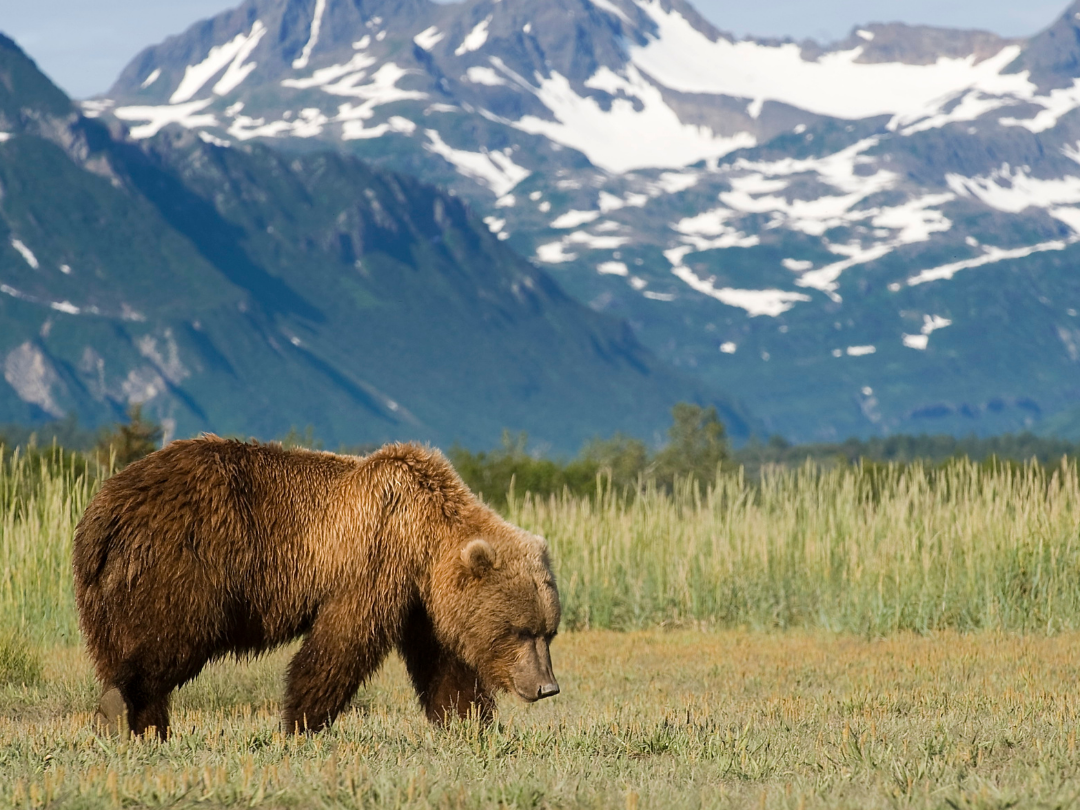
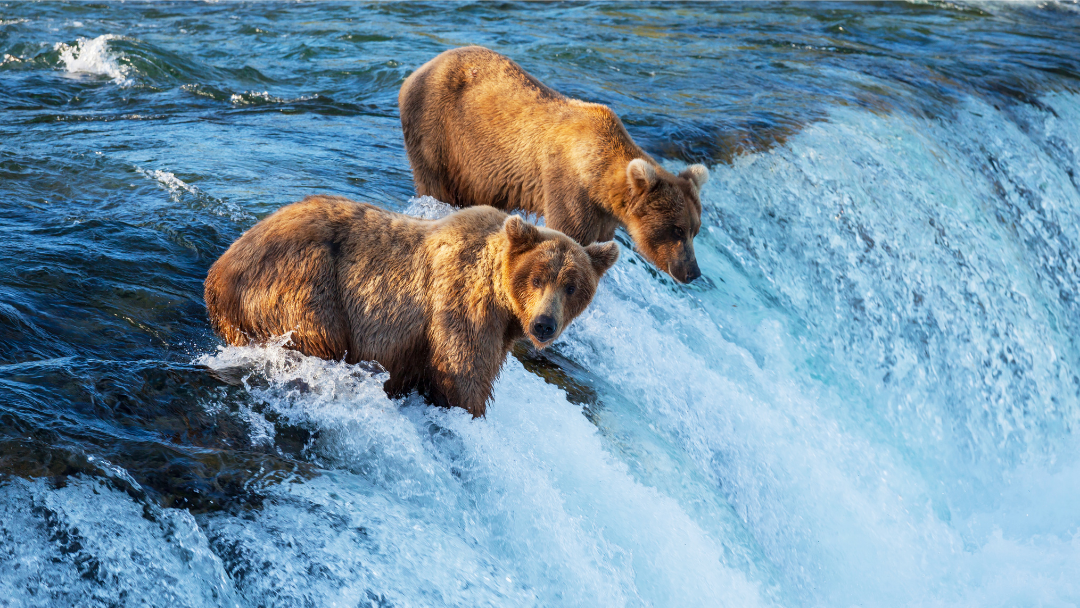
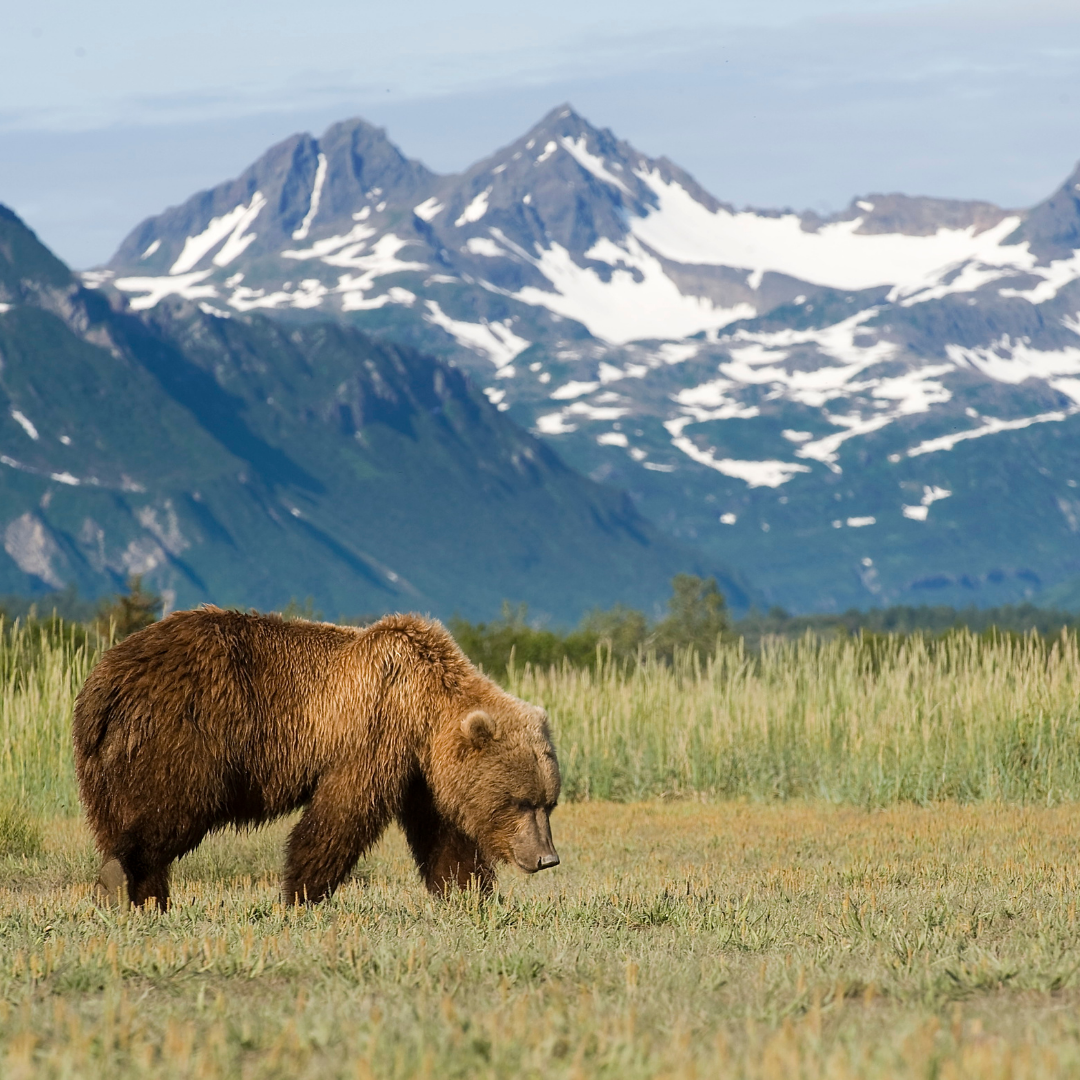
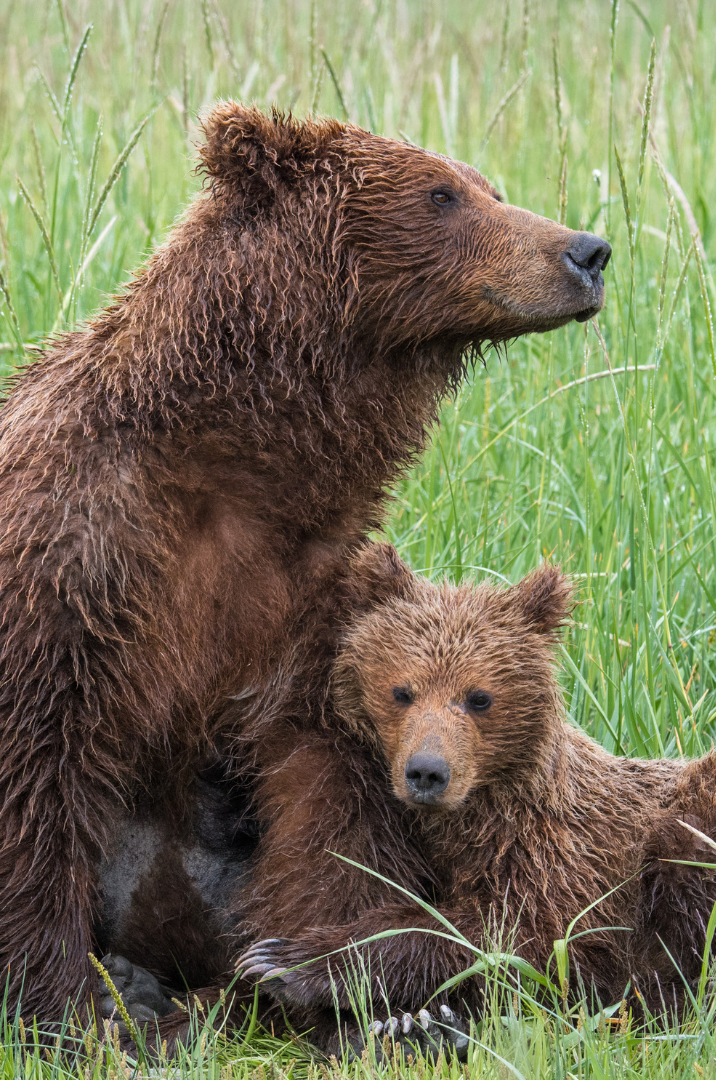
In summer at Lake Clark, grizzly bears concentrate along the coast and in the shallow rivers as salmon begin to run. Much of their movement follows the tide and the fish. Bears walk the shoreline, dig for clams, rest in tall grass, or position themselves patiently in moving water, waiting for the right moment to strike. Some feed alone, others tolerate close proximity when food is abundant. Cubs often stay close to their mothers, learning where and how to fish. The setting is open and expansive, with mountains, water, and long daylight hours shaping the rhythm of each day. Observation tends to be steady and immersive rather than rushed.
Reaching these remote coastal areas requires a small bush plane flight from Anchorage, landing on beaches or remote airstrips depending on conditions. From there, travel is minimal and intentional. Working alongside experienced local guides is essential, both for safety and for reading bear behavior responsibly.
Terrain
Other Wildlife
Coastal wilderness • Sedge meadows • Braided rivers • Salmon-rich streams
Moose
Red Fox
Bald Eagle
Sea Otter
Harbour Seal
Rare sightings:
Wolves
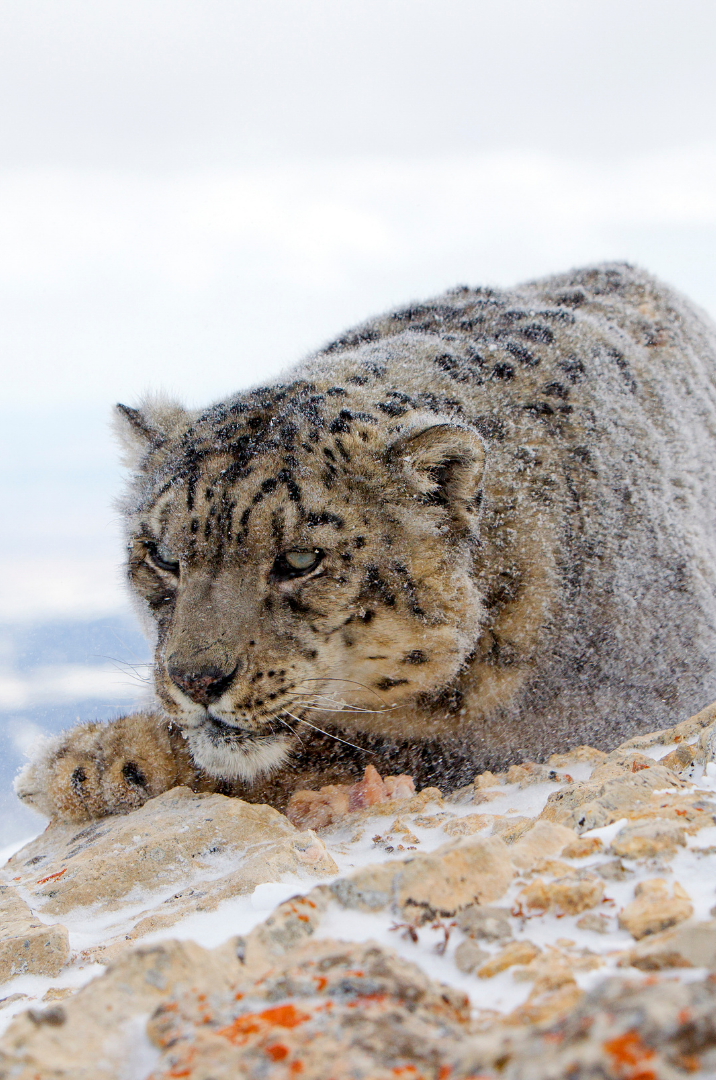
Panthera uncia
[Snow Leopard]Himalayas[34.2268° N, 77.5619° E]Snow Leopard
Himalayas & Altai mountain ranges
[INDIA] [MONGOLIA]
Best Time to Go
January - April
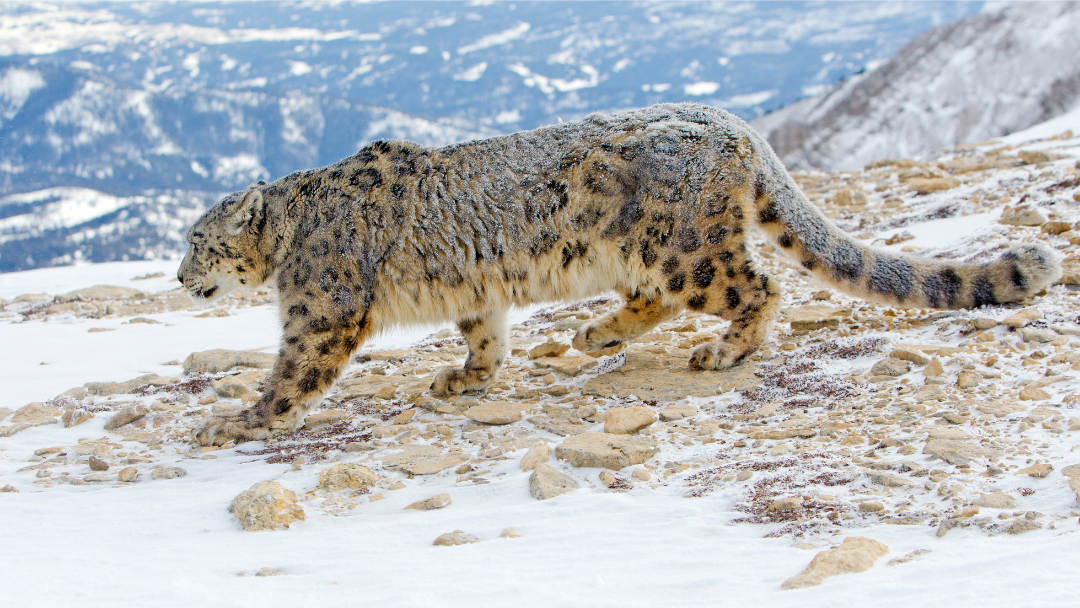
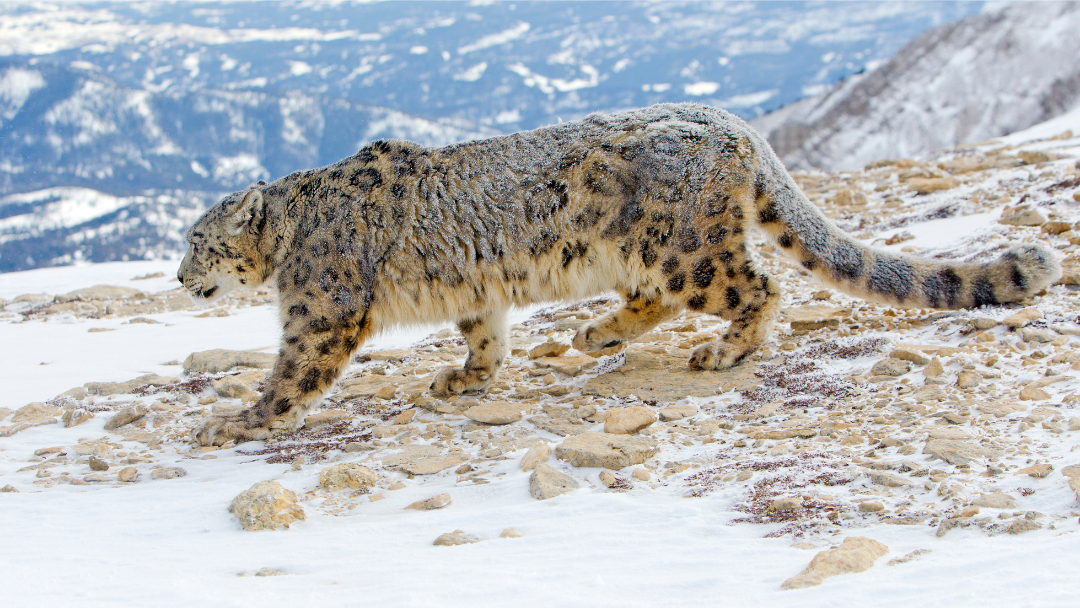
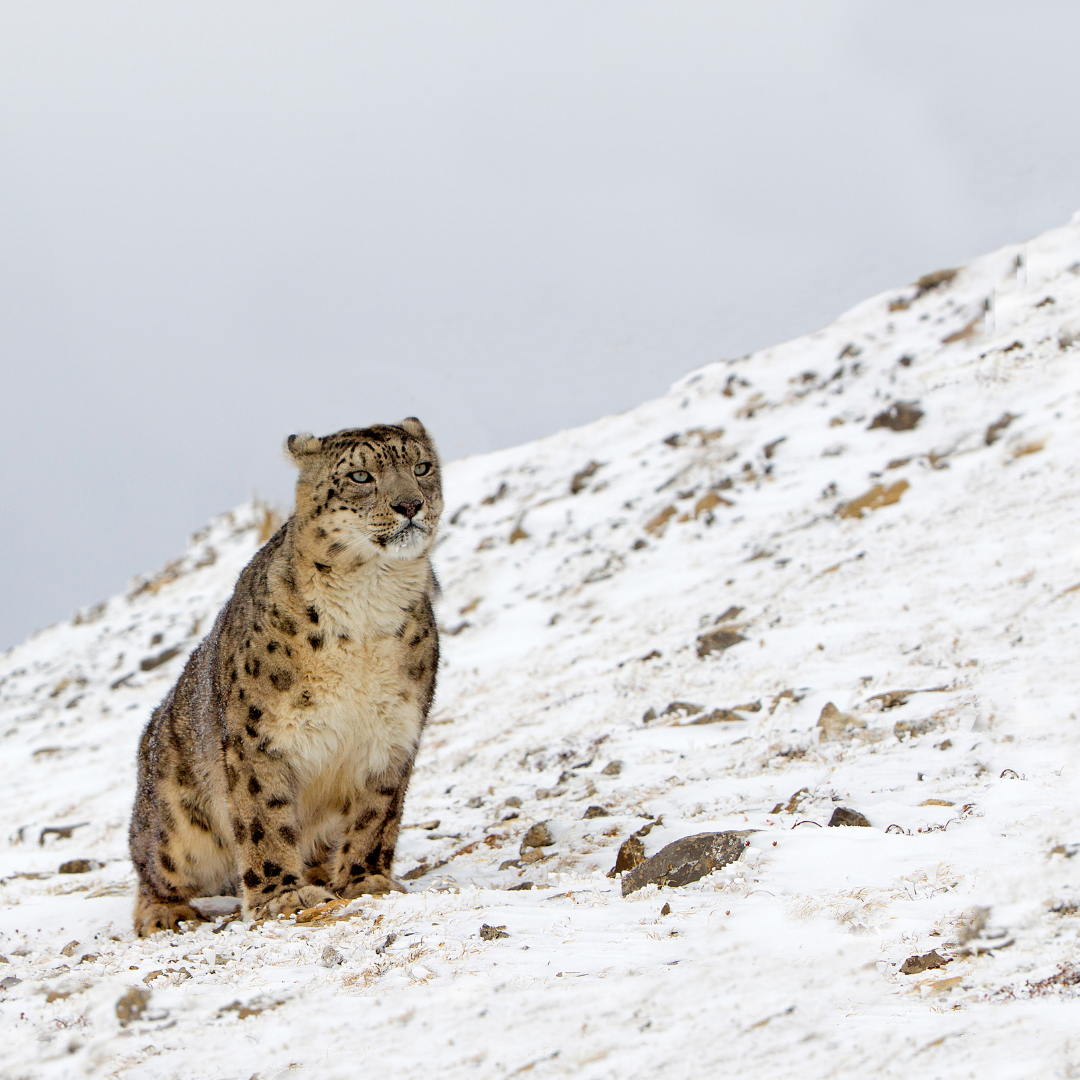
In the high mountains of Ladakh and the remote ranges of Mongolia, the snow leopard moves almost invisibly through terrain.
In India’s Ladakh region, experienced trackers and established winter expeditions offer some of the highest probabilities of observation in the world. Long days are spent glassing steep ridgelines and scanning distant rock faces, often rewarded with extended views of a leopard moving across open snow.
Mongolia offers a more remote and rugged experience. Sightings can be less predictable, but the scale of the Altai Mountains and the raw atmosphere create a different kind of encounter. It feels more exploratory, more exposed, and deeply wild.
Beyond the search itself, Ladakh brings a sense of culture and high-altitude stillness, frozen valleys, Buddhist monasteries, blue sheep moving across the slopes, and winter light that feels almost unreal. Rarely, the landscape may also offer glimpses of Himalayan wolves or even a brown bear moving through the snow.
Mongolia offers something different: immense open space, wild silence, and a terrain that feels untouched. Alongside the possibility of a snow leopard, there are ibex on distant ridges, golden eagles overhead, and the rare chance of encountering wolves in the vastness of the Altai.
Terrain
Other Wildlife
High-altitude • Rocky ridgelines • Snow-covered slopes • Frozen valleys • Thin air
Bharal
Ibex
Golden Eagle
Himalayan Wolf
Red fox
Himalayan Brown Bears
Request Information
*
Work Together
*
Share Coffee
*
Request Information * Work Together * Share Coffee *
Some journeys begin with a simple message.
If you’re considering an expedition, scouting a new region, or exploring a creative partnership, reach out. The field is always open to good ideas.